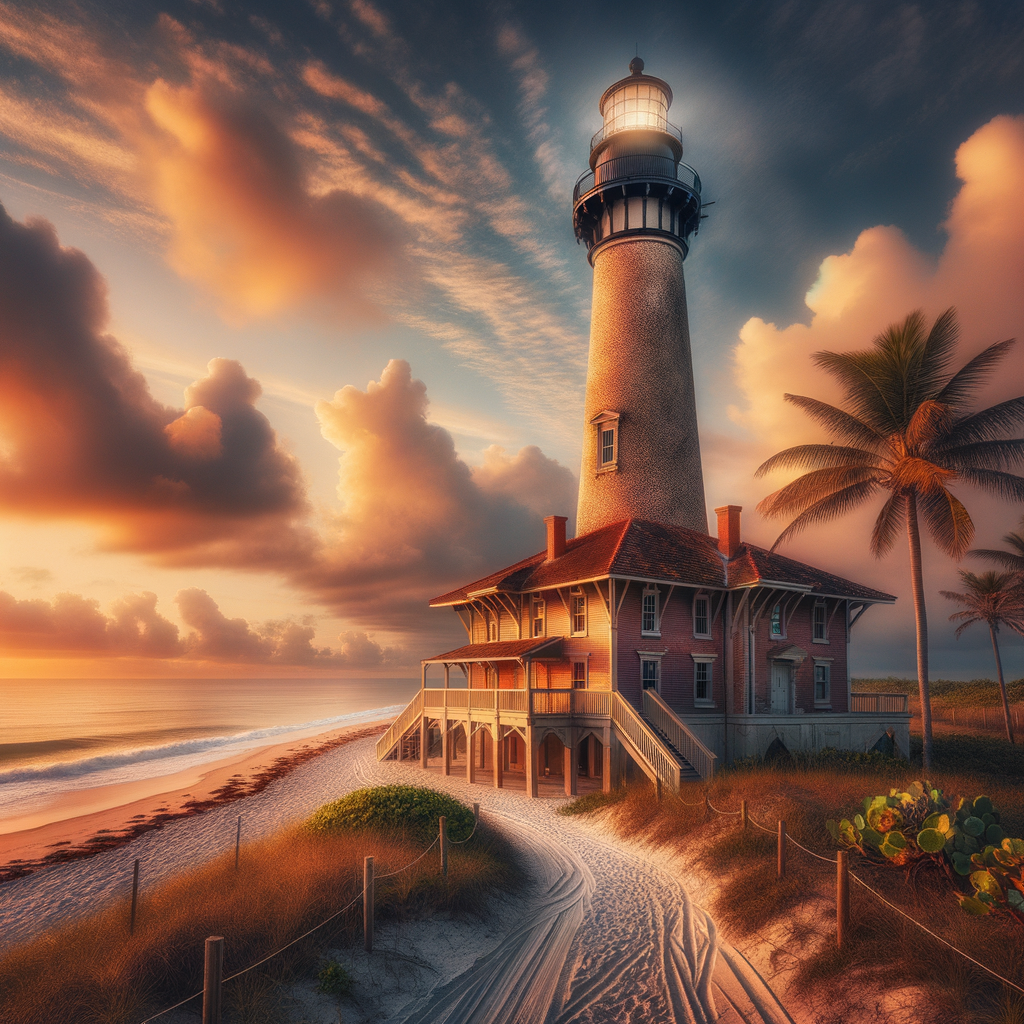
Light House Insurance in Florida is a must if you own a home. Florida is famous for its beautiful coastline and historic lighthouses. These tall beacons not only guide ships but also stand as important landmarks. Given their unique structures and locations, lighthouses require specialized insurance coverage. Standard home insurance policies may not offer what lighthouse owners require. In this article, we explore lighthouse home insurance in Florida. We will look at what makes it different, what coverage options are available, and how to secure the best policy. Whether you own an old lighthouse or a newly renovated one, protecting your investment is important. Read on to understand how you can keep your lighthouse safe from risk.
Understanding Light House Insurance in Florida
Florida’s weather poses many risks, including hurricanes, strong winds, and flooding. These risks make lighthouse insurance in Florida especially important. Lighthouses often stand on exposed coastal land, making them more vulnerable than regular homes. Unlike most houses, a lighthouse’s structure and purpose require specialized coverage. Insurance providers look at factors such as location, access, and construction materials before offering a policy.
Traditional home insurance may not fit the unique needs of a lighthouse owner. Repairs and restoration for historic lighthouses often cost more than modern homes. Insurance companies may need a detailed inspection to assess the property’s value. The lighthouse’s age and prior restoration work can affect the policy terms. Owners should work with agents experienced with non-standard properties.
Lighthouse owners in Florida must also consider legal and regulatory matters. Some lighthouses are listed on historic registers, which can affect insurance requirements. Local and state laws may require special coverage or restoration practices. Understanding these rules helps owners avoid gaps in protection. An insurance agent familiar with Florida’s coast and historic properties can make the process easier. Taking time to research these details can help prevent costly surprises.
Key Coverage Options for Lighthouse Owners in Florida
Lighthouse insurance policies in Florida often include features beyond standard home insurance. Structural coverage protects the tower and any attached buildings from wind, rain, and flooding. Since lighthouses are exposed to harsh weather, this type of coverage is essential. Most policies also cover the living quarters, if people live in the lighthouse. Some may offer extra protection for rare architectural features or historic restoration.
Another important coverage is liability insurance. Many lighthouses attract tourists or serve as event spaces. If someone is injured on the property, liability insurance covers medical or legal costs. This coverage is especially important for owners who open their lighthouses to the public. Some policies also protect against vandalism or theft, which can happen in remote areas.
Flood insurance is strongly recommended, if not required, for Florida lighthouse owners. Standard policies rarely cover flood damage. Florida’s coastal weather makes flooding a real risk for lighthouses. Owners should ask their insurer about separate flood policies. Extra endorsements for windstorm or hurricane damage may be necessary. Reviewing these options with an expert helps owners choose the right coverage for their unique property.
Tips for Securing the Best Lighthouse Insurance Policy
Finding the right lighthouse insurance policy takes time and effort. Owners should start by gathering details about their property. This includes building materials, historical value, and any recent repairs or upgrades. Photographs and written records can help insurers understand the lighthouse’s condition. Accurate information makes it easier to get the right coverage and avoid claim problems later.
It is important to compare several insurance providers before making a decision. Not every company offers lighthouse insurance, so look for those with experience in unique or historic properties. Reading reviews from other lighthouse owners can provide insight into a provider’s reliability. Meeting with agents in person allows you to ask questions about policy limits, deductibles, and exclusions. Always ask for a sample policy to review before signing.
Finally, work with local experts who know Florida’s laws and weather risks. Ask about discounts for installing storm shutters or upgrading electrical systems. Regular maintenance can lower your premium and reduce the risk of claims. Review your coverage each year, especially after making changes to the property. By staying informed and proactive, you can secure the best policy to protect your lighthouse for years to come.
Conclusion on Light House Insurance in Florida
Owning a lighthouse in Florida is both a privilege and a responsibility. These unique structures face risks that ordinary homes do not, from fierce storms to complex restoration needs. Insurance for lighthouses must go beyond the basics to offer true peace of mind. Understanding your property’s requirements and Florida’s legal landscape is the first step. With the right coverage options and an experienced agent, you can shield your investment from unexpected events. Take the time to compare providers and ask detailed questions. Keep accurate records and perform regular maintenance to reduce your risks. Reviewing your policy regularly ensures you always have the protection you need. With careful planning, lighthouse owners can enjoy their historic property with confidence. Whether your lighthouse is a family treasure or a cherished public landmark, the right insurance makes all the difference in safeguarding its future.