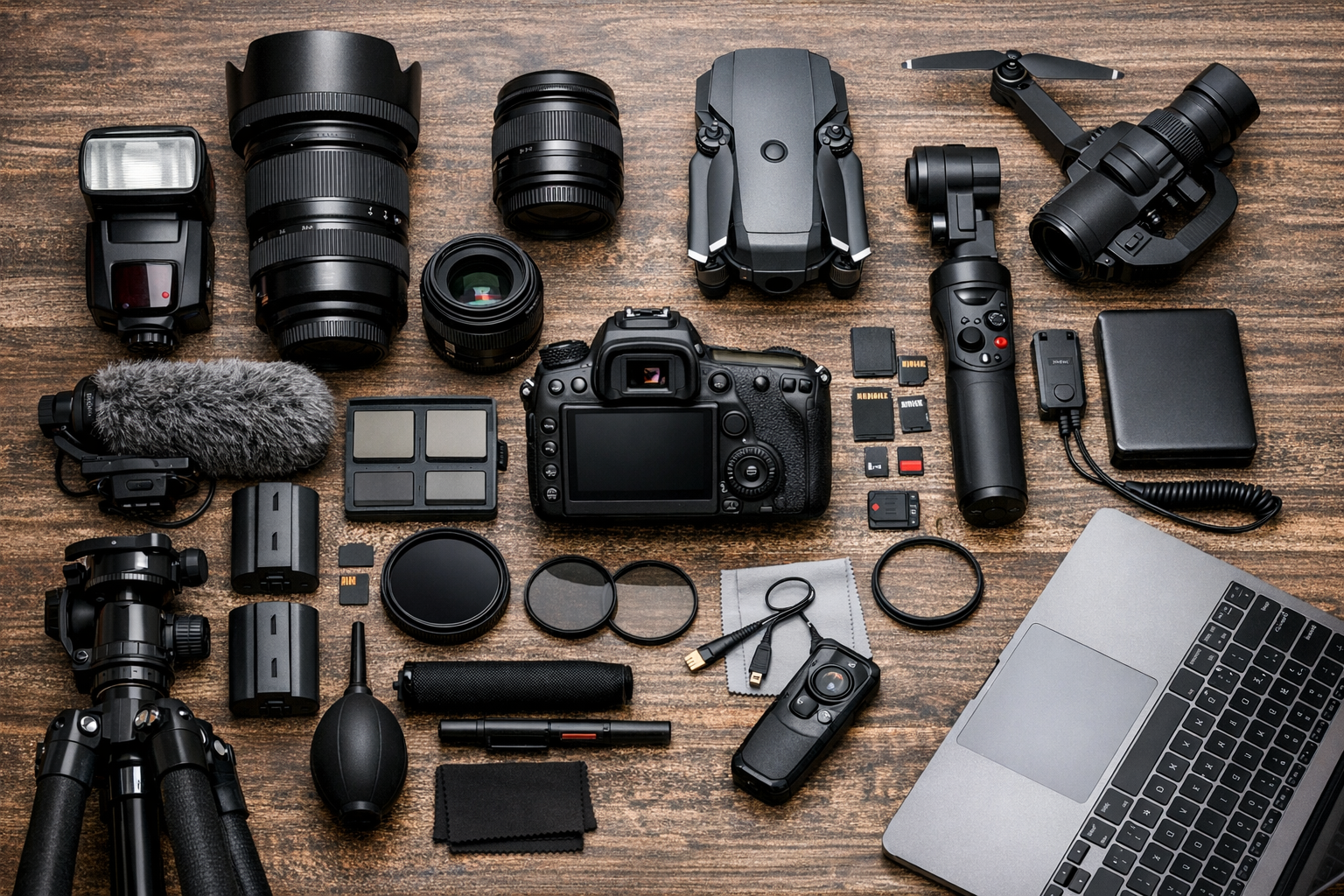
For both professional photographers and enthusiastic amateurs, photography equipment represents a significant investment. From cameras and lenses to lighting and accessories, these tools are both valuable and essential for capturing those perfect moments. However, accidents, theft, or unexpected damage can strike at any time, leaving photographers facing costly replacements or repairs. Insuring your photography equipment is not just a smart financial move, it’s a critical step in protecting your livelihood and artistic pursuits. Properly Insuring Photography Equipment is a must.
Understanding the Risks: Why Photographers Need Insurance
Photographers often work in a variety of environments, such as studios, weddings, outdoor events, or even remote locations. Each setting presents its own risks, such as accidental drops, spills, or exposure to the elements. Beyond these day-to-day hazards, photographers also face the threat of theft, particularly when traveling or working in crowded venues where gear can be easily misplaced or stolen. Even the most careful professional can fall victim to an unforeseen mishap.
Moreover, the cost of replacing high-end cameras, specialty lenses, and lighting equipment can quickly add up. For many, the expense of recovery after a loss may be prohibitive, affecting ongoing projects or business commitments. That’s why having insurance isn’t just about asset protection; it’s about ensuring business continuity and peace of mind.
Clients and collaborators may also expect photographers to have insurance, especially for commercial shoots or high-profile events. Demonstrating that your equipment is insured reassures clients that you are a reliable and responsible professional. This level of preparedness can help build trust and even open doors to future opportunities.
Types of Insurance Coverage for Photography Equipment
There are several types of insurance coverages available for photographers, each designed to address different risks. Equipment insurance, sometimes called “gear insurance,” specifically covers physical loss or damage to cameras, lenses, lighting, and other related items. This type of policy typically includes protection against theft, accidental damage, fire, and, depending on the terms, even natural disasters.
Another key coverage is liability insurance. While this doesn’t protect the gear itself, it covers you if your equipment causes injury to someone or damages property during a shoot. For example, if a client trips over a light stand or you accidentally damage a rented venue, liability insurance helps cover the associated costs. Some comprehensive business policies bundle liability and equipment coverage for convenience.
Travel and worldwide coverage options are also important for photographers who shoot internationally or frequently work outside of their home region. Standard policies may only cover incidents within a specific geographical area, so choosing a plan that extends globally ensures your gear is protected wherever your work takes you.
Key Factors to Consider When Properly Insuring Photography Equipment
Choosing the right insurance policy for your photography equipment requires careful consideration of several factors. First, evaluate the total value of your gear and make sure you choose a policy that covers the current replacement cost, not just the depreciated value. Keep an updated inventory of your equipment, including serial numbers, receipts, and photos, to help streamline the claims process.
Pay close attention to deductibles, coverage limits, and exclusions. Some policies may not cover accidental damage or loss while traveling, or may have high deductibles that make smaller claims impractical. Read the fine print to understand what is and isn’t covered, and ask your provider about add-ons for specialized items like drones or underwater housing.
Lastly, consider the insurer’s reputation for customer service and claims handling. Look for providers with positive reviews from other photographers and a track record of fair, prompt settlements. Don’t be afraid to ask for referrals or testimonials, as industry-specific experience can make a significant difference in your overall experience.
Steps to File a Claim for Damaged or Stolen Gear
If your equipment is damaged or stolen, acting quickly and methodically will help ensure a smooth claims process. Start by documenting the incident in detail and taking photos of the damage. Gather witness statements if applicable, and record exactly what happened. For theft, file a police report immediately and obtain a copy for your insurer as evidence.
Next, notify your insurance provider as soon as possible and submit all required documentation. It usually includes a completed claim form. Also, your gear inventory, proof of purchase, photos of the damaged items, and the police report if theft occurred. Promptly providing complete and accurate information can help prevent delays or disputes.
Throughout the process, maintain open communication with your insurer. Keep records of all correspondence, and follow up regularly to check the status of your claim. Once approved, review the settlement to ensure it aligns with your policy terms. Be prepared to appeal or negotiate if you feel the compensation is inadequate based on your coverage and for the value of the lost or damaged equipment.
Conclusion On Properly Insuring Photography Equipment
Photography is as much about trust and preparedness as it is about creativity and vision. By insuring your equipment, you safeguard not only your investment but also your ability to continue pursuing your passion or profession without interruption. Whether you’re just starting or expanding your gear collection, securing comprehensive insurance coverage is a smart way to protect yourself.